
Think Before You Post: What the Bible Says About Wise Words Online
Introduction
One post can easily reach thousands or even millions of people in minutes in today's digital world. A tweet, comment, a Facebook post, an Instagram caption, a WhatsApp message, or a YouTube reply can encourage someone, damage a reputation, start an argument, or lead people to Christ.
In today's modern world it's much easier than ever to speak instantly using the internet.
However, the Bible tells us to speak wisely.
Scripture was written before the invention of cellphones, or social media, but God's wisdom on what to say is not of this world. Each post, comment, and message is a reflection of us and can impact others.
God asks us to stop, think and ask a question before we click on "Post":
Will these words glorify Christ?
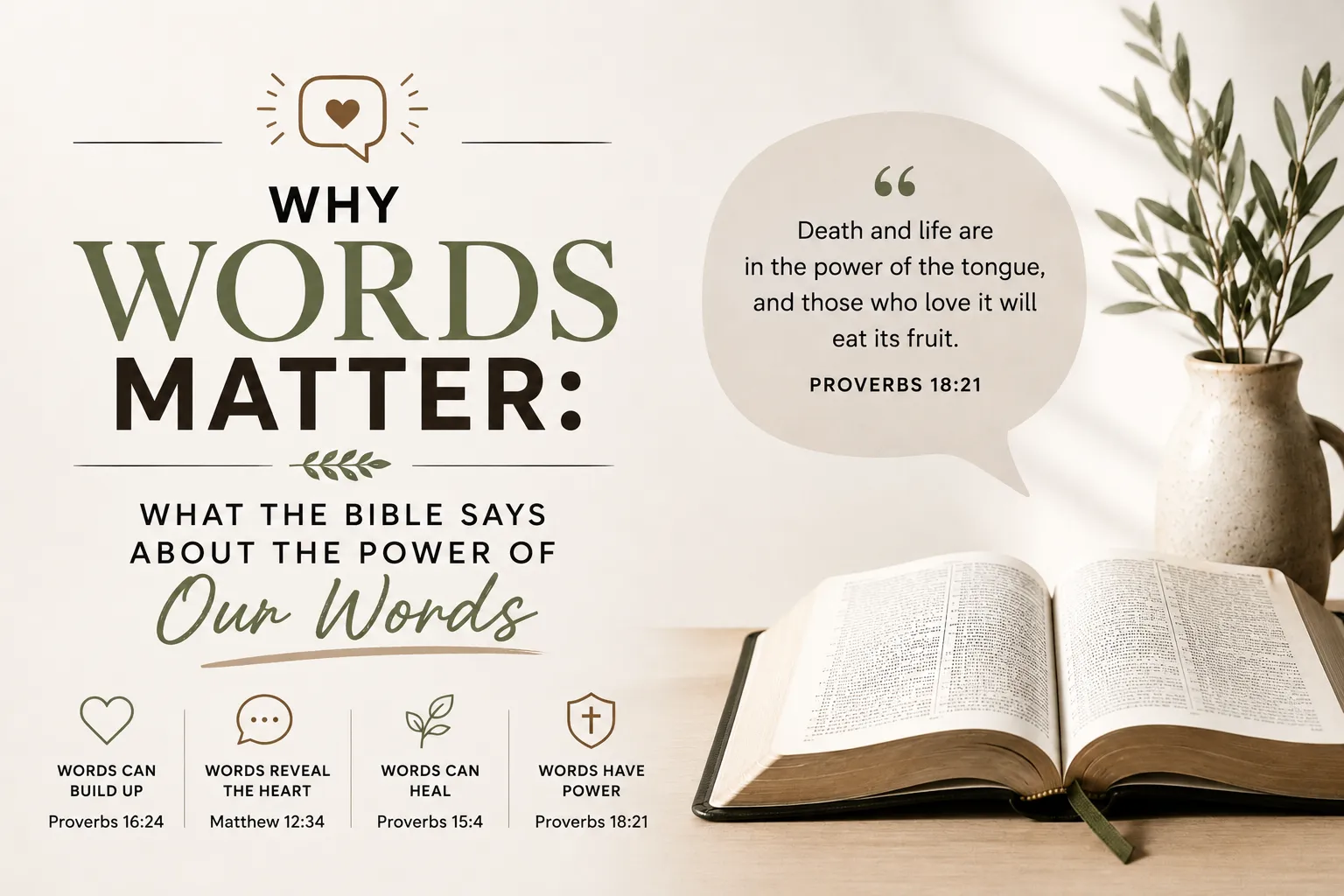
Why Our Words Matter
Words are powerful.
They can heal.
They can encourage.
They can instill expectations of hope.
They can also break, cut and tear apart.
King Solomon wrote:
Death and life are at the tongue's door, says the Bible (Proverbs 18:21 KJV).
Jesus also taught:
For thy words shall be thy justification; and thy words shall condemn thee. (Matthew 12:37)
Wherever spoken words are important to God, they are important to Him in written form, too, when shared online.
Each comment, each post is the chance to praise God or to defile Him.
The Internet never forgets, and it never forgets the wrong way either.
The permanency is one of the interesting aspects of social media.
It may be just a few minutes of an angry conversation.
A picture goes a thousand miles.
Posts deleted can still continue to promote online.
The Bible often reminds us to be careful with words as they can have a long-term impact.
What takes 5 seconds to post, may last years in relationships.
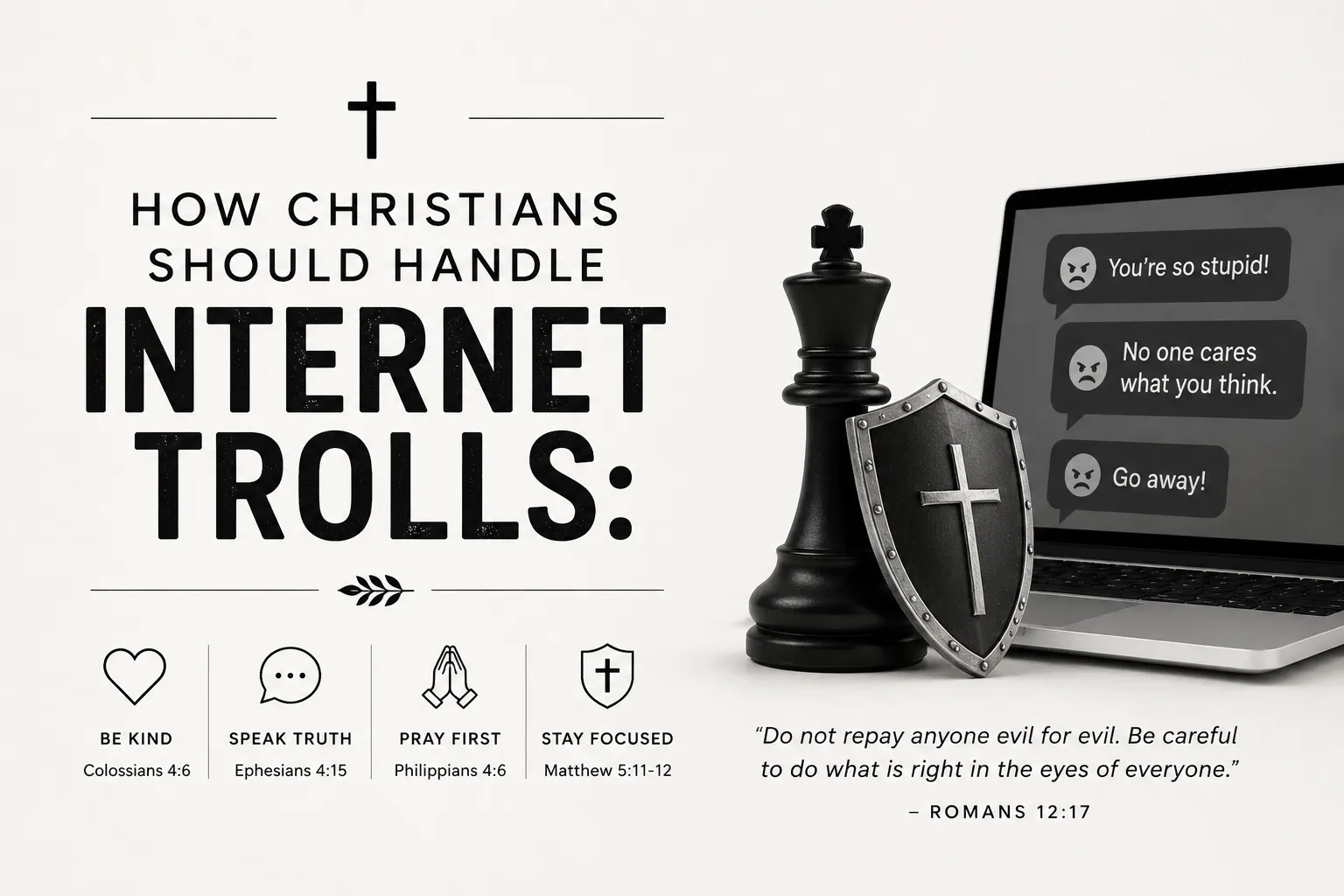
Think Before You React
Social media spurs instant responses.
Breaking news appears.
Someone insults us.
A controversial topic starts to go viral.
One of the first reactions we might have is to respond immediately.
The Bible contradicts this.
The heart of the just man reads, the mouth of the wicked brings out evil things. (Proverbs 15:28)
The wise say before they speak, "Let me think.
The same rules go for posting online.
All opinions do not need to be expressed instantly.
Waiting a few minutes (or hours) can make all the difference in how we react.
Jesus Spoke with Purpose
All the words that Jesus spoke were for a reason.
His words were never used in a wrong manner.
Sometimes He comforted.
Sometimes He corrected.
At times He was silent.
Jesus had great self-control even though he was unjustly accused.
His example is a reminder to believers that wisdom is not just in what to say, but also in what not to say.
Ask yourself these five questions before you post.
1. Is It True?
The Ninth Commandment is against lying.
Confirm news, quotes or accusations.
The internet is a place where rumors can get out of hand.
The name of follower of the Christ should be recognized not for sensationalism, but for truthfulness.
2. Is It Loving?
Paul instructed believers:
All of your business done in love. (1 Corinthians 16:14)
Truth must never be used as a pretext for cruelties.
Also correction should be given in a gentle and humble way.
3. Is It Helpful?
Paul wrote:
Let no foul language come out of that mouth, but such as is good unto that which is edifying. (Ephesians 4:29)
Ask yourself:
Will this encourage someone?
Will this build up a person's trust in God?
Will this fix an issue?
Or will it merely intensify the divisions?
4. Is It Necessary?
Not all thoughts are suitable for the Internet.
Wisdom is sometimes a matter of withholding, says Proverbs.
There's such a thing as saying too much.
Wisdom can come in the form of silence.
5. Will It Glorify God?
Paul provides believers with a straightforward guideline:
So whether ye eat or drink, or do anything whatsoever, do all to the glory of God. (1 Corinthians 10:31)
That includes every:
* Comment
* Caption
* Story
* Video
* Tweet
* Message
If a post cannot be offered for God's glory, then it's probably not a good idea to publish it.
---
The Danger of Posting in Anger
Often words are spoken in anger that we regret.
James writes:
James 1:19: "Let every man be quick to hear, slow to speak, slow to wrath.
Insults are an ineffective way to sway popular opinion on the internet.
The ability to remain calm will impact more than the ability to be clever.
The best thing that one can do may be to simply not comment.
Keep in mind that people read your posts just like you do.
Behind each username is a person made in the image of God.
When communicating through a screen, it's easy to be hard.
As believers we are called to treat others with dignity, even in the event of a disagreement (as seen in the Bible).
Ask yourself:
Would I communicate the same message if I was sitting across the table from this person?
If not, think twice about posting them.
Social Media is your Christian witness
Often a lot of people will never come to your church.
Some may never read a bible.
That doesn't mean they will read your Facebook post, though.
Be mindful of what you post on Instagram stories.
Check out my comments on YouTube.
Go to your X profile.
For many, your social media is your initial encounter with Christianity.
Peter challenges believers to live in ways that bring glory to God and honor to Christ to those who are watching.
Faith in the digital life should be the same as we express it in person.
Wisdom Knows When to Stay Silent
One of the showstoppers of maturity is the lack of talking.
Jesus did not say anything to many of His accusers.
Not because He didn't have anything to say.
However, silence was a means of God's plan.
Don't be asked into every dispute.
Not all accusations need to be defended.
Wisdom takes the way of peace, sometimes rather than prove to be victorious in an argument.
These are some examples of good online etiquette.
Try to establish the following habits:
Pray before taking action on controversial topics.
Wait until you've calmed down to post.
Check information before sharing.
Read your post twice and edit it before posting.
Eliminate superfluous sarcasm or rude-speech.
Question yourself: are your words Christlike?
Be prepared to apologize if you post something hurtful.
Rely more on encouraging than criticizing your platform.
Little things can add up to a big difference.
Five lessons we can learn:
1.The consequences of words have a long-lasting effect.
Internet words can mean so much more than their words mean when they are back in reality.
2.Better is wisdom, than speed.
First is not as vital as wise.
3. Truth and Love Must Go Together
Christians should never sacrifice truth for popularity or love for winning arguments.
4. Silence Can Be Spiritual Wisdom
Not every discussion deserves our participation.
Sometimes restraint honors God more than speaking.
5. Every Post Reflects Our Faith
People often judge Christianity by the behavior of Christians.
Our digital witness should point others toward Christ.
Common Mistakes Christians Make Online
Posting while angry.
Passing information around without verifying the accuracy.
Joining unnecessary arguments.
Insulting others by using sarcasm.
Takes the place of God's honor.
Judging and condemning individuals rather than building them up.
To not remember that unbelievers are watching.
In this way, we can learn to recognize these tendencies and thus develop our wisdom.
Frequently Asked Questions
Do Christians have a right to have views online?
No.
Christians may express their opinions but they must do so in a humble, truthful, gracious and respectful way.
Should I answer all the negative things?
No.
Occasionally it's a good idea to answer back.
It's better to be silent, sometimes.
The difference is made through prayer and discernment.
What if I post something that I am sorry about?
Be prepared to remove damaging information, when necessary, apologize or make amends, and attempt to reconcile.
The word Humility is a great testimony.
How do I do social media right for God?
Encourage, speak truth, avoid gossip, honor others and to remember that all interactions are reflections of your faith in action.
Reflection
Every day we are given countless opportunities to communicate.
There are times when conversation occurs in person.
Some occur via screens.
The Bible tells us that God is interested in both.
A heart that's down can be uplifted with a well-thought out post.
A simple word of kindness can lead to hope.
A gracious reply can bring out the character of Christ in a world that is quarrelsome and angry.
Stop and take a moment before hitting the "Post" button.
Ask: Do my words show the wisdom, love and truth of Jesus?
Sometimes the best testimonials aren't the ones we select to post…
This is what we wisely decide not to post.
Closing Prayer
Heavenly Father,
Thanks for the gift of communication and the opportunities that technology gives. Teach me your wisdom before I speak, or type, or post. Make my words be a witness to Your truth, Your love and Your grace. Keep us from being provoked, haughty, and hasty with our tongue, and let all we say lead others to Jesus Christ. Make the same of my digital life as I do of my everyday life.
By the power of Jesus' Name, Amen.